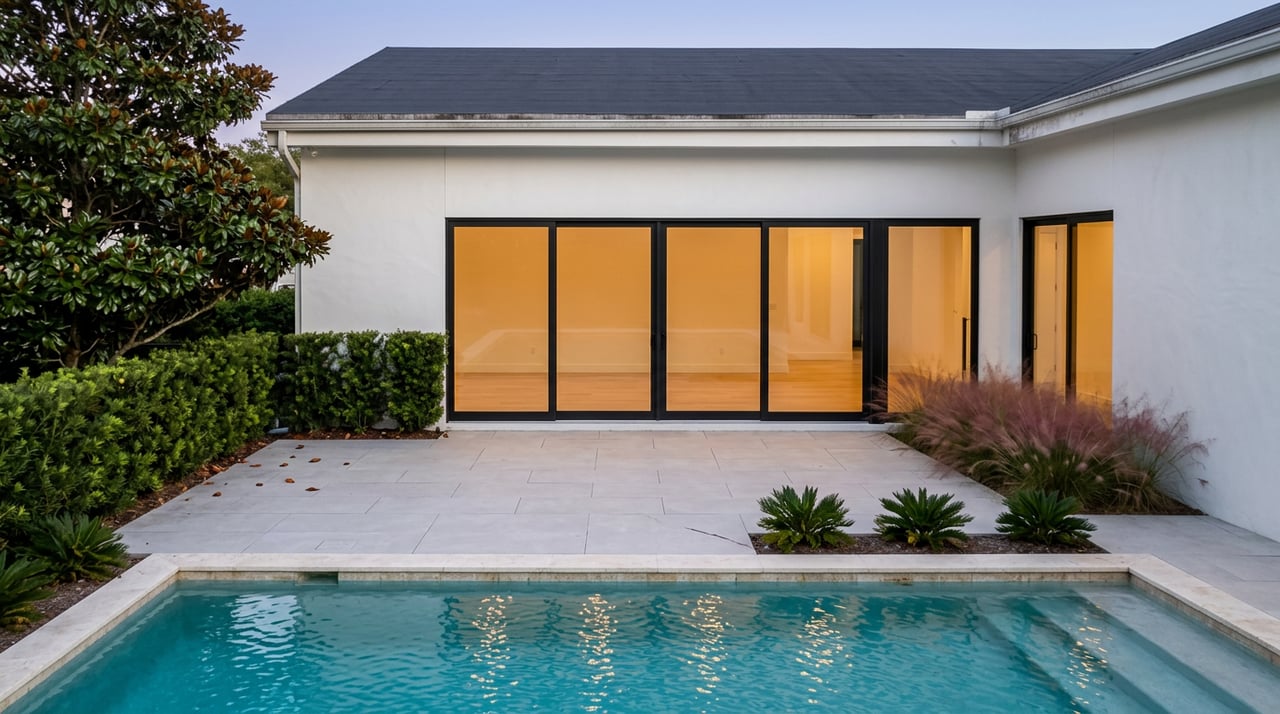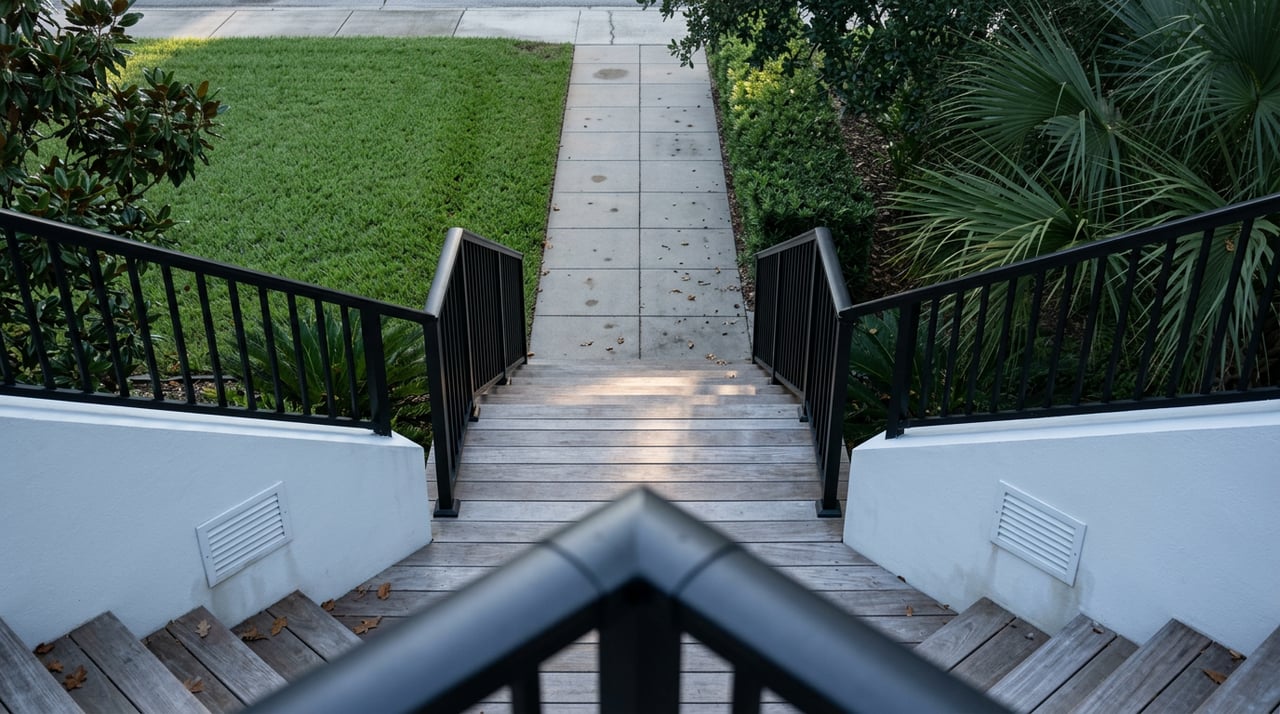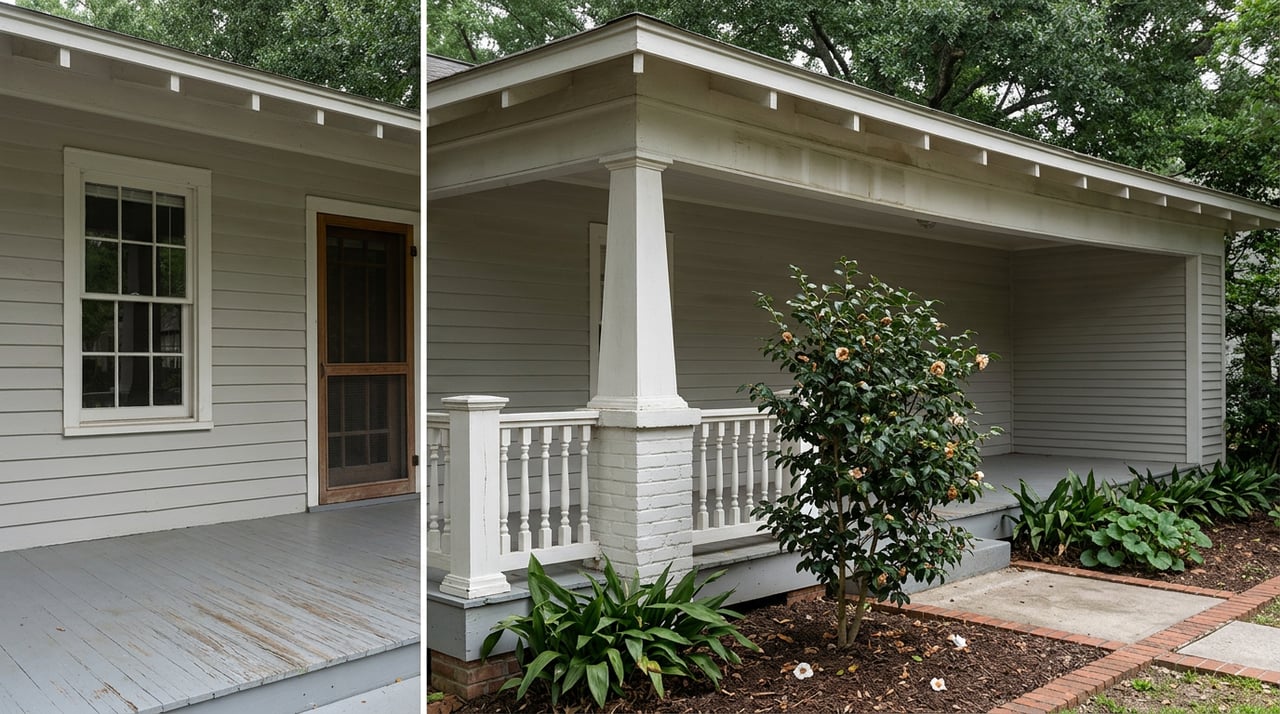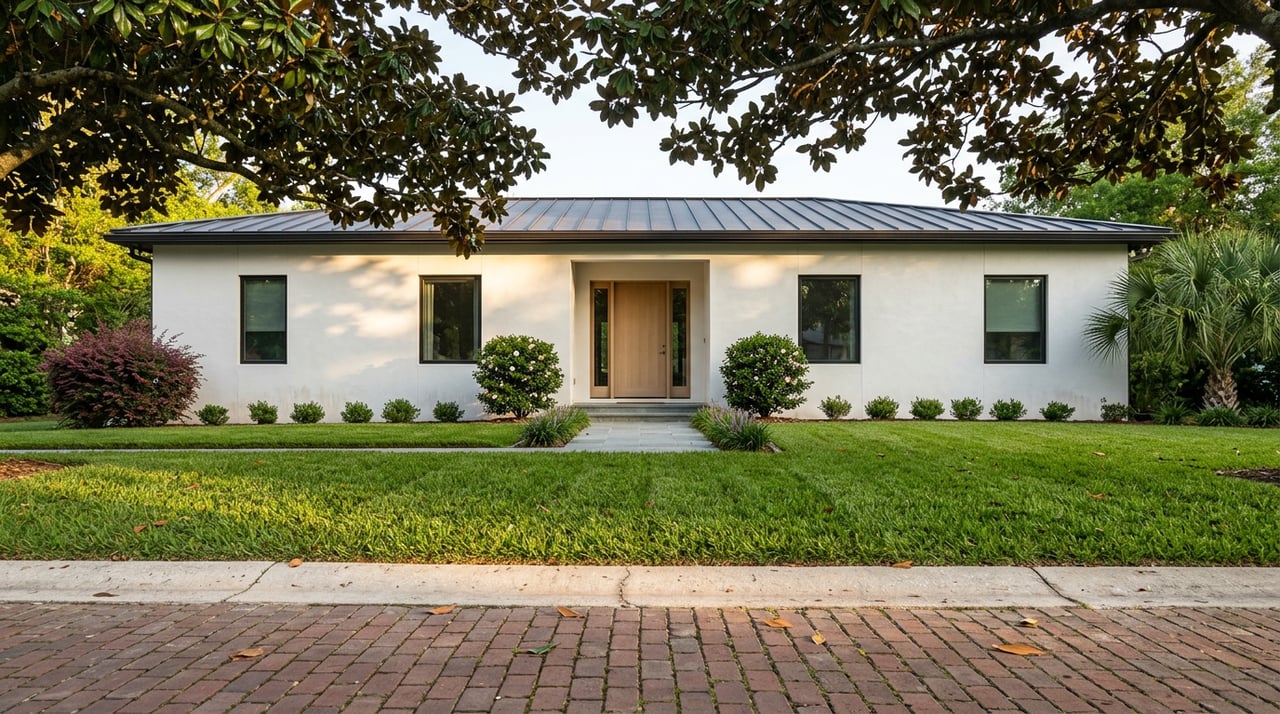
Ask someone who grew up in Golf View where the neighborhood's park is, and there is a real chance they will point toward the golf course. That answer is wrong, though it is an understandable kind of wrong. Golf View sits wrapped around Palma Ceia Golf & Country Club, and the club's fairways are visible from enough backyards that the course reads as shared space even though it is anything but. The actual public park carrying a version of that name sits a few blocks south, has no membership requirement, and gets almost none of the attention the golf course does. Two Palma Ceias, one private and storied, one public and plain, and the neighborhood's daily life runs mostly through the second one while its identity gets built almost entirely around the first.
That gap between where residents actually spend their time and what gives the neighborhood its name is the thing worth understanding if you already live inside Golf View's brick-paved streets.
One Course, 71 Years of the Same Argument
Palma Ceia Golf & Country Club dates to 1916, making it the oldest private golf club in Tampa, and its Donald Ross design has spent more than a century earning a reputation locals and visiting golfers describe the same way: tight corridors, small greens, a course that punishes anyone who mistakes it for scenery. That reputation gets tested publicly every February, when the club hosts the Gasparilla Invitational, one of the country's premier mid-amateur golf tournaments and an event with roots tracing back to the professional-era Gasparilla Open of the 1930s before it returned as a strictly amateur championship in 1956.
This year's edition, the 71st, ran February 19 through 21 and closed about as tight as the course's reputation suggests it should. Hayes Brown of Charlotte, North Carolina posted rounds of 67-73-68 to finish at 2-under 208 and win by a single shot over Peyton White, who charged into second with a final-round 67. Only two players in the entire field broke par for the week. That detail matters more than the final leaderboard, because it confirms something residents who watch the tournament from outside the ropes already suspect: Palma Ceia does not hand out low scores. Some years the winning number drops into double-digit red numbers when the wind stays down. Other years, even par looks like a winning total. The course's difficulty is not a marketing description. It shows up in the scoring average every single February.
For three days, the tournament turns quiet residential streets around the club into something closer to a small sporting event, with hospitality stations, gallery traffic, and a par-5 18th hole known for deciding playoffs and late leaderboard swings. It is the one week a year when the golf course everyone can see from their yard becomes something they can actually walk into and watch.
The Park a Few Blocks South Has No Name Recognition Problem
Palma Ceia Park, sitting a few blocks south of the club, does not host championships and does not require an invitation. It is a straightforward public park, and the people who use it treat it that way. Lawrence Hollyfield, communications coordinator with Tampa Parks and Recreation, put it plainly when asked what the park is for:
"It's a great place to take the kids to run around or take the dog on a walk. You'll see people playing basketball there and just a good place to hang out."
That is the entire pitch, and it is also an accurate description of how the space gets used day to day. No tee times, no dress code, no waiting for a February tournament to make it relevant. If Golf View has a true daily commons, a piece of ground that residents actually pass through on an ordinary Tuesday rather than admire from a distance, this is closer to it than the golf course most people associate with the neighborhood's name.
Dale Mabry Is the Corridor That Doesn't Change Much
Golf View itself has almost no commercial footprint. It is a residential grid of brick streets and colonial-style homes, and its actual business district sits just outside the boundary, strung along Dale Mabry Highway on the neighborhood's western edge. That corridor has anchored daily errands for residents for generations, and one of its anchors has been serving the same neighborhood since 1963: Wright's Gourmet House, still known for a Monte Cristo and a Cuban sandwich that draw praise decades after they first showed up on the menu. Terra Gaucha Brazilian Steakhouse and Graze South Tampa round out a stretch that also puts Sprouts, Publix, Wild Fork, and Trader Joe's within a single mile of pavement, which means most weekly errands never require leaving the corridor at all.
Six decades of the same sandwich shop staying put is its own kind of local knowledge: this corridor does not turn over often. Which is exactly why the newer activity happening a bit further east, along the walk toward Bayshore Boulevard, stands out as the actual change residents have watched unfold this year.
The Loop East Toward Bayshore Just Got Longer
Golf View is, by its own neighborhood profile, blocks away from Bayshore Boulevard, the longest continuous stretch of sidewalk in the world at four and a half miles. That proximity means the dining rotation for a lot of residents does not stop at Dale Mabry. Two additions from this year extended it. The Landon opened in late March inside the former 717 South space on Bayshore, an address recognizable enough that a name change does not erase its history for anyone who ate there under either sign. O-Ku opened this year on the ground floor of the Bayshore Gardens development, bringing modern Japanese cuisine built around seafood sourced from Tokyo's Toyosu Market to a stretch of Bayshore that did not have anything quite like it before.
Neither address sits inside Golf View proper, but both are now part of the same rotation of options residents already treat as theirs, the same way Dale Mabry and Palma Ceia Park function as borrowed commons for a neighborhood that never built much commercial ground of its own.
What the Two Names Actually Tell You
Golf View works the way it does because it never needed to build its own park, its own restaurant row, or its own championship golf course. It borrowed all three from what surrounds it, and each borrowed piece plays a different role. The private club supplies the name and, for one week every February, a genuine sporting event decided by margins as thin as a single stroke. The public park supplies the daily use the club's name suggests but its gates do not allow. Dale Mabry supplies the errands, steady enough that a sandwich shop can still be running the same recipe six decades later. Bayshore supplies whatever is newest, which this year meant a reworked dining room on an iconic old address and a sushi counter sourcing fish from a market on the other side of the world.
Understanding which Palma Ceia does which job is a small piece of local knowledge, but it is the kind that separates someone who has actually spent time on these streets from someone reciting a neighborhood profile written from a website. If you already live here, you knew half of this. If you are the person a neighbor sends this to before their first visit, now you know both.
For anyone weighing a move in or around Golf View, or curious how a neighborhood this specific actually trades, The Margliano Team is available for a private market consultation.