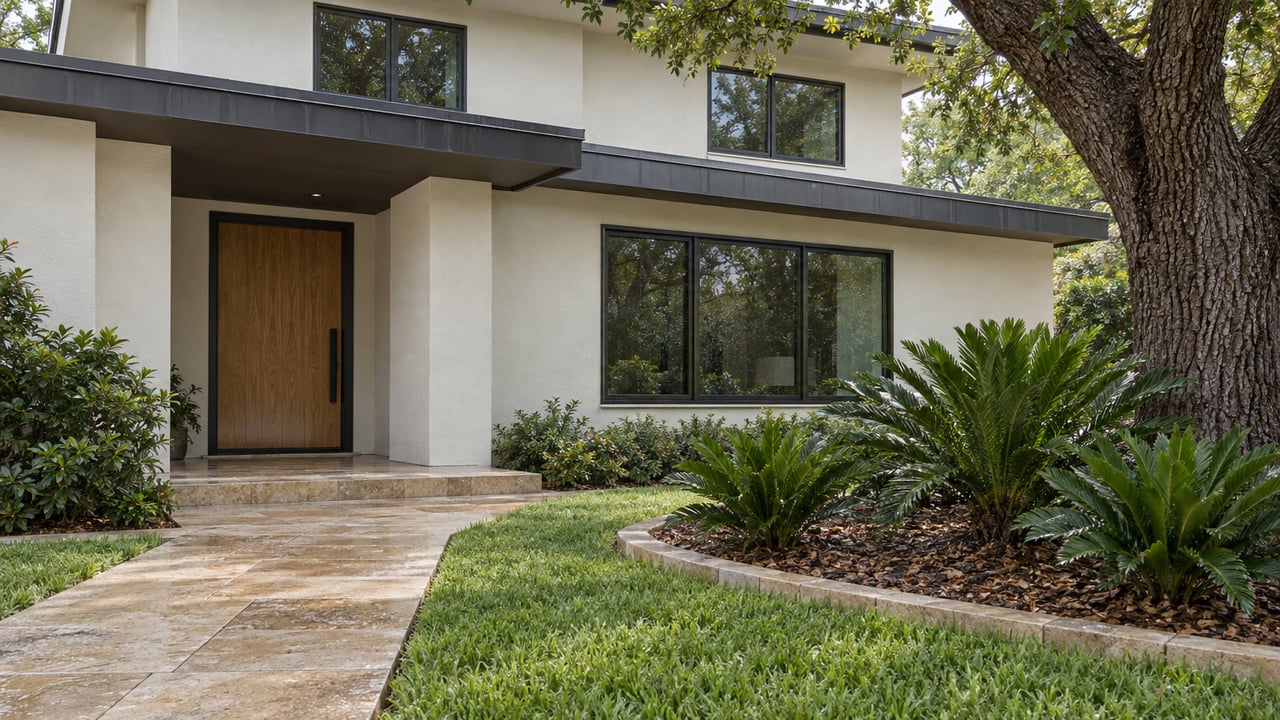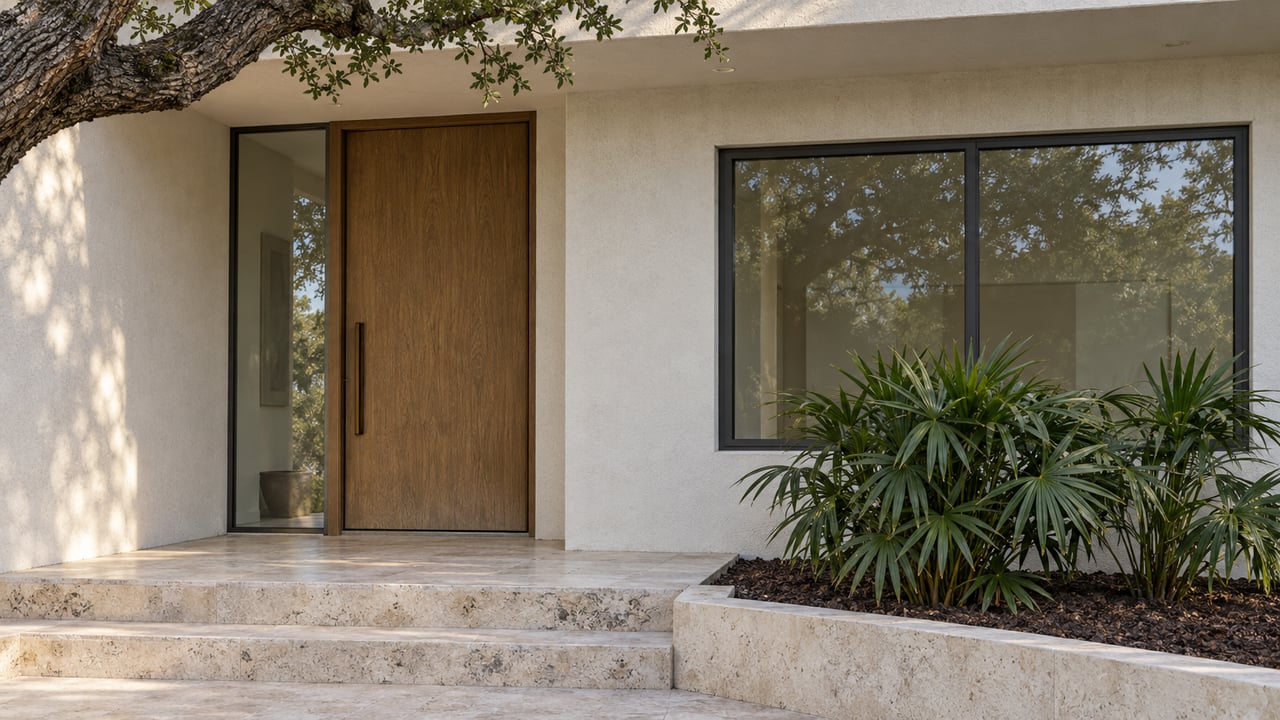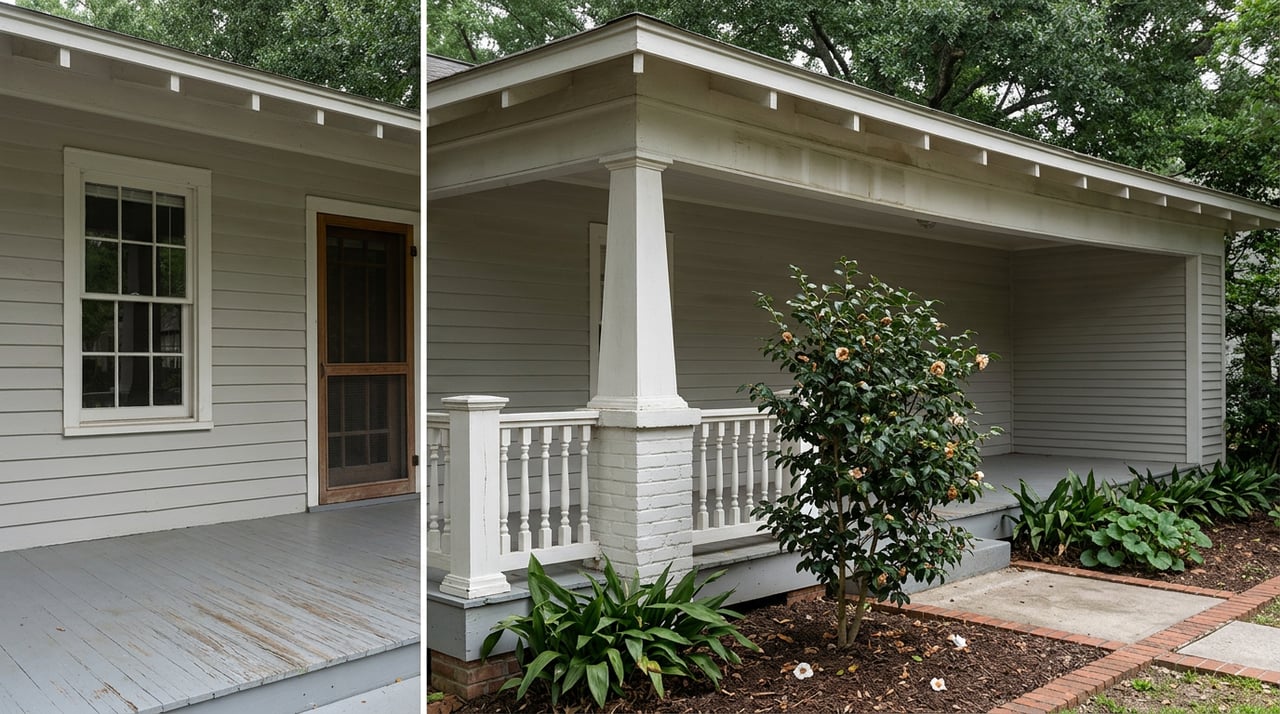
Two bungalows sit three doors apart on the same Hyde Park street. Same era, same porch depth, same oak canopy overhead. One owner can repaint, reroof, and reconfigure the back of the house on a contractor's normal schedule. The other has to file paperwork with the city, wait for a staff review or a public hearing, and build months of lead time into any exterior change before a single shingle comes off.
The difference has nothing to do with square footage or sale price. It comes down to one classification buried in the city's historic district records: whether that specific house is marked contributing or non-contributing. Most buyers touring Hyde Park never ask the question until they're already past the inspection period, and by then the answer has already decided how the next five years of ownership will go.
The Line That Splits Hyde Park in Two
Tampa's Architectural Review Commission oversees exterior changes inside the locally designated Hyde Park Historic District, and it treats contributing and non-contributing structures as two different categories of property, not two flavors of the same rule. A contributing structure is one the city considers part of the historic fabric, and it comes with real restrictions: demolition is heavily limited, and any exterior work, from a new roofline to a rebuilt porch, requires review under the city's design guidelines before you touch it.
A non-contributing structure carries none of that. Tear-down and rebuild on a non-contributing lot is common practice in Hyde Park, subject to the same tree protection rules and standard zoning code that apply anywhere else in the city, not the historic overlay. That's the whole ballgame for anyone shopping with renovation or a future rebuild in mind. Two houses that look identical from the sidewalk can sit on opposite sides of that line, and only one of them gives you a straightforward path to the house you actually want to build.
A Case Working Through City Hall Right Now
This isn't a hypothetical. The Historic Landmark Commission's May 6, 2026 meeting agenda included a proposal at 304 West 42nd Street to demolish a contributing building in the Hyde Park Local Historic District and construct a new one in its place. That's the process playing out in real time on an actual Hyde Park parcel, and it illustrates exactly why the contributing label matters more than curb appeal. A buyer who wants to clear a lot and build new needs to know, before making an offer, whether the existing structure is contributing. If it is, that plan runs through a public hearing, not a routine permit pull.
What "Certificate of Appropriateness" Actually Costs You
The mechanism behind all of this is something called a Certificate of Appropriateness. The city's design guidelines lean on the Secretary of the Interior's Standards, which favor repair and retention over replacement. Some Certificate of Appropriateness applications get approved at the staff level. Others go to a public hearing, which means a scheduled meeting date, a review period, and the possibility that the commission asks for revisions before it signs off.
That review step is not free in time. Builders who work inside the district regularly plan on Certificate of Appropriateness review adding roughly eight to twelve weeks to pre-construction, on top of whatever the design and permitting process would normally take on a non-historic lot. If you're comparing a renovation budget on a contributing Hyde Park bungalow against a similar project on a non-historic property elsewhere in South Tampa, that stretch of calendar time belongs in the comparison as much as the construction cost does.
The Boundary Moved in 2023, and It Can Move Again
Here's the part that catches even longtime residents off guard: the historic district boundary is not fixed in the way most people assume. On January 5, 2023, the City of Tampa expanded the Hyde Park Historic District to the north, adding 184 buildings across the Hyde Park Spanishtown Creek Civic Association and the Historic Hyde Park Neighborhood Association areas. Homes that sat outside the local district for decades came under Certificate of Appropriateness review overnight.
The practical takeaway is that district maps are a starting point, not a guarantee. The city itself uses these maps alongside other records, including master site files, to determine contributing status, and it explicitly discourages relying on the map alone. If you owned a Hyde Park property before 2023, or you're touring one now based on an old sense of where the boundary used to sit, the honest move is to confirm status with Tampa's Architectural Review and Historic Preservation Division before you assume anything about what you can or can't do.
That single phone call, before you write an offer, is worth more than any amount of curb research.
The Other Bill Nobody Mentions Before Closing
Contributing status shapes your renovation timeline. The age of the house behind it shapes your insurance and inspection process, and the two frictions tend to arrive together. Older Hyde Park homes with original wiring, original plumbing, or a roof past its serviceable life face the same underwriting scrutiny that shows up on a standard four-point inspection anywhere in Florida: roof age, electrical system, plumbing material, and HVAC condition. Carriers price these factors individually, and a roof nearing the end of its expected life can affect both insurability and premium regardless of how well the rest of the house has been maintained.
Some Hyde Park parcels near the bay also sit in FEMA-designated flood zones, which is a separate insurance consideration alongside a standard homeowners policy. None of this is unique to Hyde Park, but it compounds with the historic-district timeline in a way that's easy to underestimate if you're only budgeting for the purchase price and a rough renovation number. The buyers who navigate this well are the ones who get a wind mitigation inspection, a flood zone check through FEMA's mapping tool, and a contributing-status confirmation from the city all done in the same due diligence window, before the inspection contingency runs out.
What This Means If You're Comparing Two Houses This Month
If you're actively weighing a historic Hyde Park purchase against something newer or non-historic nearby, the questions worth asking before you write an offer are specific ones. Is this parcel currently inside the local historic district boundary, and has that boundary changed since the listing photos were last updated? Is the structure classified as contributing or non-contributing, and who at the city can confirm it in writing? If you plan any exterior work, does it fall into the category staff can approve, or does it need a public hearing, and what does that do to your timeline if you're working around a lease or a move-in date? What's the age and condition of the roof, wiring, and plumbing, and has a four-point inspection been run recently enough to trust?
None of these questions show up on a standard listing sheet. They show up in county and city records, in conversations with the Historic Preservation office, and in the kind of due diligence that separates a smooth Hyde Park closing from one that stalls out three weeks before the settlement date.
A Few Questions Buyers Ask Most
Does every old-looking house in Hyde Park fall under historic district review? No. Some structures inside the district boundary are classified non-contributing and carry no exterior review requirement. Others sit just outside the current boundary altogether, especially since the 2023 expansion moved the line. Status has to be confirmed parcel by parcel.
Can a contributing home ever be torn down? Restrictions on demolishing a contributing structure are significant, though not absolute. The process runs through the Historic Landmark Commission, as the May 2026 case at 304 West 42nd Street shows, and approval is far from guaranteed on the same timeline you'd expect for a standard demolition permit.
Where do I actually check a property's status before I make an offer? Start with the city's historic district resources, then call the Architectural Review and Historic Preservation Division directly for parcel-level confirmation rather than relying on a map alone.
If you're weighing a Hyde Park purchase or thinking about what a sale looks like on a property with historic-district status attached, that's exactly the kind of detail worth working through before you're under contract, not after. The Margliano Team has spent years inside South Tampa's historic corridors and can walk you through what a specific parcel's status means for your plans. Schedule a private market consultation to talk through the property you have in mind.
This article is general information, not legal, tax or financial advice. Consult a qualified professional about your situation.