If you are deciding between a luxury condo and a South Tampa home, the answer is rarely just about price. In Tampa, the more important question is often what your money actually buys you day to day. You may be choosing between skyline views and staffed services on one side, or land, privacy, and control on the other. This guide will help you compare both paths in practical terms so you can move forward with more clarity. Let’s dive in.
Price Looks Different in Each Option
In Tampa’s luxury market, price per square foot can vary widely, especially on the condo side. Current Downtown Tampa condo listings show a median listing price of about $1.43 million and a median asking price near $1.3K per square foot. That is a strong reminder that not all luxury condos are priced alike, even within the same general area.
The building itself often drives the number. Current inventory shows Bayshore Beautiful condos around $454 per square foot, while Hyde Park House is currently listed around $960 per square foot. A recent 2026 sale at 345 Bayshore came in at $449 per square foot, which shows how much pricing can shift depending on the building, services, and positioning.
South Tampa homes also command premium pricing, but neighborhood medians often sit below the newest luxury condo product on a per-square-foot basis. Hyde Park listings are around $585 per square foot, while Palma Ceia is roughly in the mid-$400s to high-$400s per square foot in current snapshots. That said, standout homes can still reach much higher numbers when location, lot, and renovation quality line up.
A current Hyde Park home at 1402 S De Soto is listed at $837 per square foot. That example matters because it shows the best houses can compete with luxury condos on price. In other words, Tampa buyers are not choosing between “expensive” and “affordable.” They are often choosing between two very different luxury packages.
What Condo Pricing Often Includes
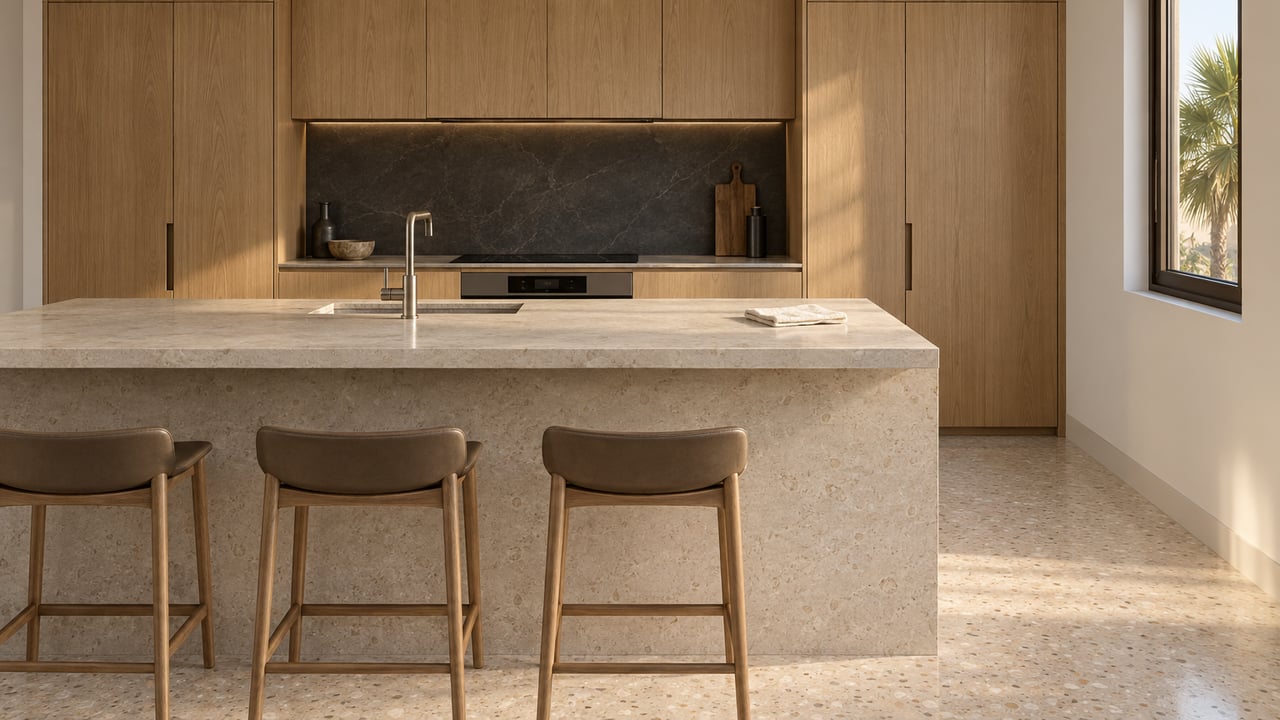
A luxury condo in Tampa may cost more per square foot than a nearby house, but that price often includes more than interior space. In many buildings, you are also paying for views, staffed services, shared amenities, exterior upkeep, and reserve funding. That bundled structure is a major reason condo ownership feels different from owning a detached home.
Florida law assigns maintenance of common elements to the condominium association. The statute also defines common expenses to include operation, maintenance, repair, replacement, and protection of common elements and association property. That legal framework helps explain why condo dues are not just an extra bill, but a core part of ownership.
Current listings show just how much can be included. At Hyde Park House, the $2,119 monthly fee includes hot water, cooling-tower HVAC, cable and internet, water, sewer, trash, gas, insurance, maintenance, and building reserves. At 345 Bayshore, the $1,092 monthly fee includes a 24-hour guard, insurance, maintenance for structure and grounds, management, pest control, recreational facilities, security, sewer, trash, and water.
For many buyers, that structure supports a more streamlined lifestyle. Instead of coordinating multiple vendors and maintaining exterior systems yourself, much of that responsibility is packaged through the association. If convenience and predictability matter to you, that can be a meaningful advantage.
What You Usually Get With a House
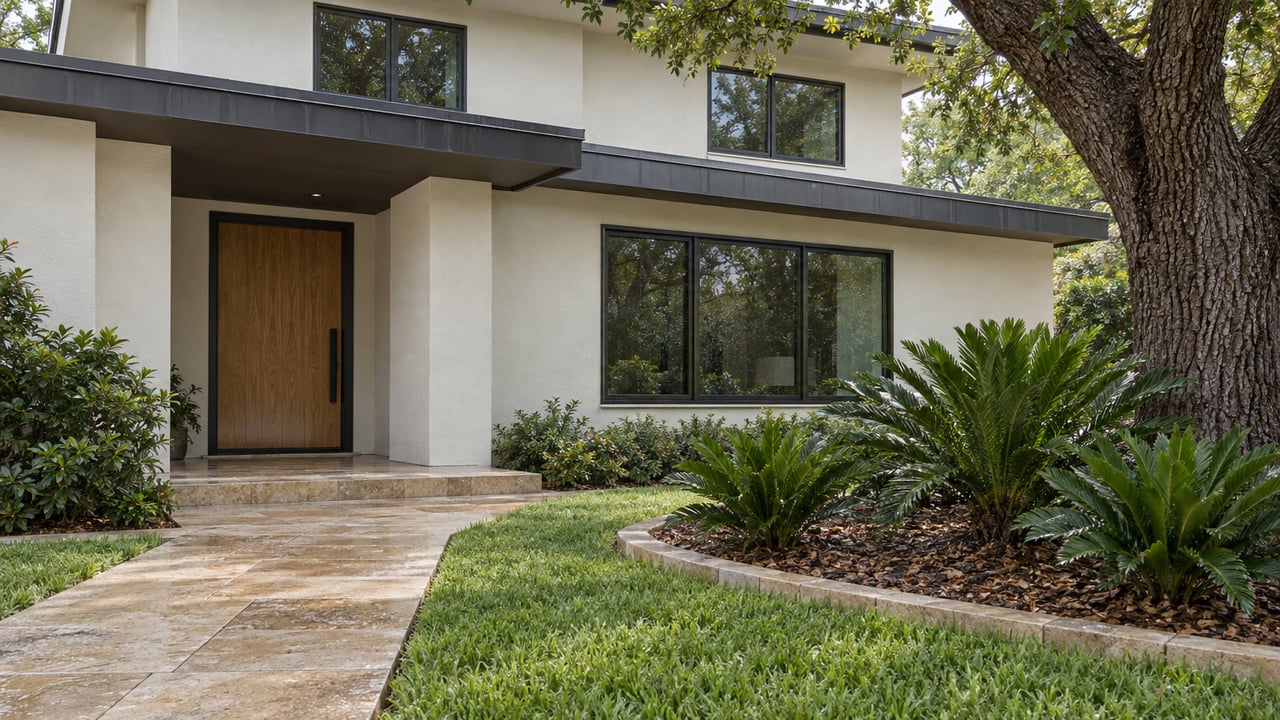
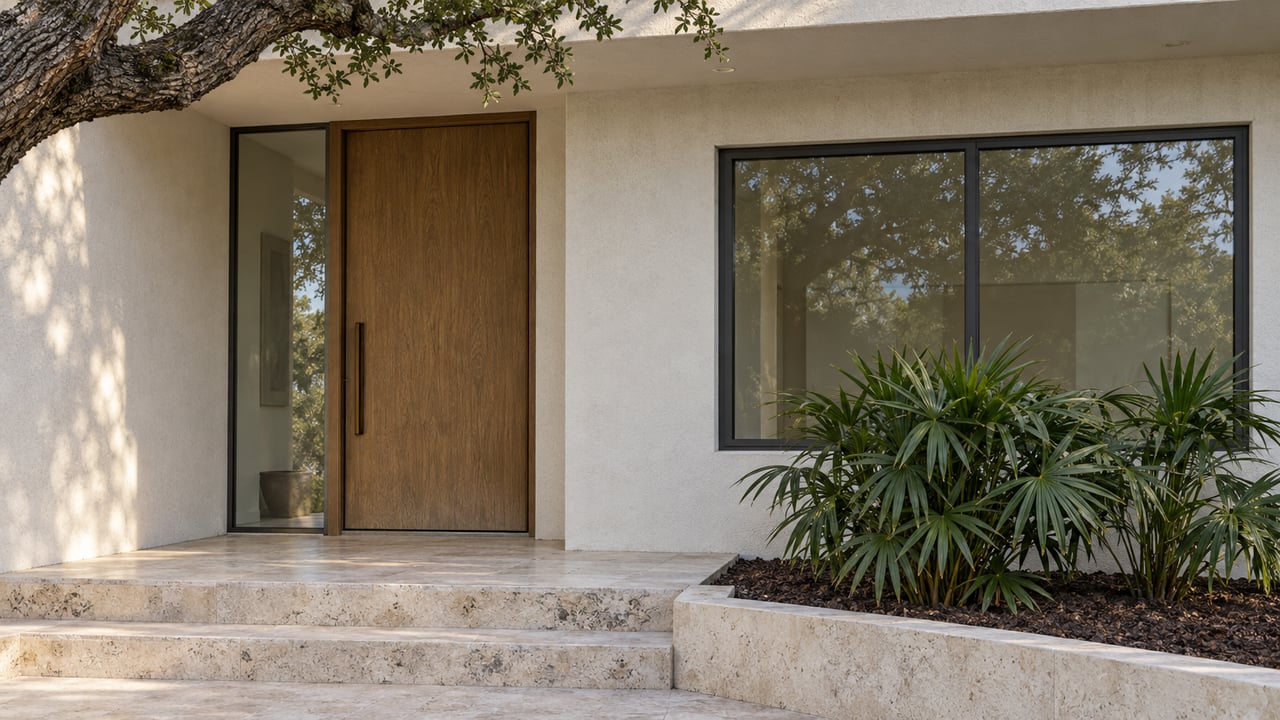
A South Tampa home offers a different version of luxury. In many cases, your purchase buys more land, more private outdoor space, and more direct control over the property. That can be especially appealing if your lifestyle centers on entertaining, outdoor living, or customizing your environment over time.
Current listings show that point clearly. The Hyde Park home at 1402 S De Soto sits on a 6,534-square-foot lot and includes a fully fenced, turfed yard, gazebo, outdoor shower, and in-ground pool. A current Palma Ceia new-construction listing offers a 4,633-square-foot home on a 6,534-square-foot lot, reinforcing the larger-footprint lifestyle that nearby neighborhoods can still provide.
With a house, you usually have more flexibility in how you use your space. You are not sharing walls, common amenities, or association-managed exterior areas in the same way you would in a condo. That often creates a stronger sense of separation and control, especially for buyers who value private outdoor living.
The tradeoff is responsibility. Roof systems, HVAC, plumbing, drainage, pool equipment, landscaping, and exterior maintenance generally fall on you as the owner. For some buyers, that ownership burden is worth it. For others, it is exactly what they want to avoid.
Lifestyle Matters as Much as Price
When buyers compare Tampa luxury condos versus South Tampa homes, lifestyle usually becomes the deciding factor. The right option depends less on prestige and more on how you want your everyday life to feel. That is where the decision becomes much clearer.
Luxury condo living often appeals to buyers who want a service-heavy, lower-upkeep routine. Current listings at 345 Bayshore highlight concierge and security, pools, sauna, fitness centers, a library, a business center, EV charging, and guest-space convenience. Hyde Park House advertises a 24/7 concierge, access-controlled garage, private parking and storage, an infinity-edge pool, spa, fire pits, summer kitchen, and fitness studios.
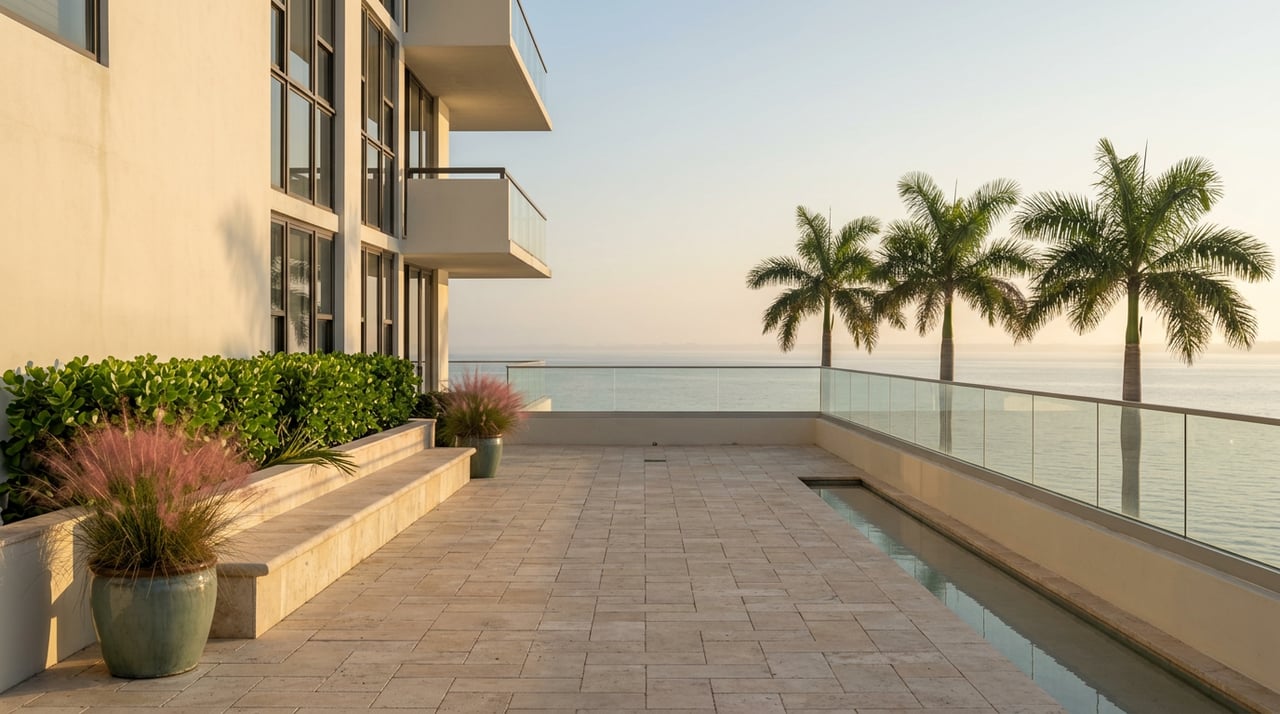
That amenity package supports a different pace of living. If you want waterfront views, a walkable urban setting, and less exterior responsibility, a condo may align well with your goals. The convenience is not just about luxury finishes. It is about how much time and attention you want to devote to the property itself.
A South Tampa house offers a more private and self-directed experience. Privacy in a condo often comes from access control, concierge services, and elevation. Privacy in a house more often comes from lot size, fencing, setbacks, and landscaping.
Florida Condo Rules Matter
If you are considering a condo in Tampa, Florida’s condo laws should be part of your decision. They directly affect budgets, reserves, disclosures, and long-term building maintenance. In a luxury purchase, these details matter just as much as finishes and views.
Florida requires milestone inspections and structural integrity reserve studies for qualifying condominium buildings. For associations existing on or before July 1, 2022 and controlled by unit owners other than the developer, a structural integrity reserve study was due by December 31, 2025 for each building that is three stories or higher. Milestone inspections are due at 30 years of age and every 10 years after that.
Those rules make reserve health and building documentation especially important for buyers. A current 4141 Bayshore listing notes that The Pinnacle Condominium is a fully funded reserve community with completed milestone and structural integrity reserve study reports. That kind of detail can help buyers better understand how a building is planning for future obligations.
This does not mean older towers should be ruled out. It means buyers should look closely at the association’s financial condition, documentation, and maintenance history. In Tampa’s condo market, building quality is not just about the lobby or amenity deck. It is also about the association behind the scenes.
Questions to Ask Before You Choose
Whether you are leaning condo or house, your diligence should match the ownership model. The smartest buyers ask different questions depending on the property type. That keeps the comparison fair and useful.
Questions for Tampa Condo Buyers
If you are considering a luxury condo, ask for:
- The association budget
- Current reserve status
- Any special-assessment history
- Rental policy details
- Pet restrictions
- Parking allocation
- Current milestone inspection documentation, if applicable
- Current structural integrity reserve study documentation, if applicable
These questions matter because common-area maintenance and reserves are central to condo ownership in Florida. They are not side issues. They directly shape your monthly cost, future obligations, and overall ownership experience.
Questions for South Tampa Home Buyers
If you are focused on a single-family home in areas like Hyde Park or Palma Ceia, your diligence should center on the property itself. In most cases, that includes the age and condition of major systems and the quality of past renovations.
Pay close attention to:
- Roof age and condition
- HVAC systems
- Plumbing
- Drainage
- Pool systems, if present
- Renovation quality and workmanship
With a house, the value proposition is tied closely to the structure and lot. That is why your review should focus less on shared infrastructure and more on the physical condition of what you are buying.
Which Option Fits Your Goals?
A simple decision rule can help. If you want services, views, and lower exterior responsibility, you will likely lean toward a luxury condo. If you want land, privacy, and more control over the property, you will likely lean toward a South Tampa home.
Neither choice is automatically better. In Tampa, the stronger fit usually comes down to how you want to live, not which option sounds more prestigious. Once you view the decision through that lens, the comparison becomes more practical and much less confusing.
If you are weighing a luxury condo against a South Tampa home, a private, data-driven conversation can make the next step much easier. Greg Margliano offers senior-led guidance tailored to Tampa’s Bayshore and South Tampa luxury market, helping you compare buildings, homes, and lifestyle tradeoffs with clarity and discretion.
FAQs
Should you expect luxury condos in Tampa to cost more per square foot than South Tampa homes?
- Sometimes, yes. Current market snapshots show that newer or better-amenitized condo buildings can price at or above elite South Tampa homes on a per-square-foot basis, although the spread is highly building-specific.
What do Tampa luxury condo HOA fees usually cover?
- In current listings, condo fees may cover items such as insurance, water, sewer, trash, maintenance, reserves, security, management, internet, and certain building systems, depending on the property.
What is the main lifestyle difference between a Tampa condo and a South Tampa house?
- A condo often offers more services and less exterior responsibility, while a house usually offers more land, private outdoor space, and direct control over the property.
What should you review before buying a condo in Tampa, Florida?
- You should review the association budget, reserve status, special-assessment history, rental policy, pet rules, parking allocation, and any applicable milestone inspection or structural integrity reserve study documentation.
What should you inspect when buying a South Tampa home?
- You should focus on the home’s roof, HVAC, plumbing, drainage, pool systems if applicable, and the quality of renovations or updates.
Are older luxury condo buildings in Tampa still worth considering?
- Yes, if the association appears financially sound and current documentation supports the building’s maintenance and reserve planning. Buyers should evaluate each building on its own merits.