Thinking about trading a traditional home for a high-rise lifestyle in downtown St. Petersburg? If you are relocating from out of town, St. Pete’s luxury condo towers can offer the mix many buyers want: waterfront scenery, walkable culture, managed amenities, and easier day-to-day living. The key is knowing how to evaluate not just the view and finishes, but also the building’s documents, reserves, and long-term costs. Let’s dive in.
Why downtown St. Pete stands out
Downtown St. Petersburg offers more than a collection of residential towers. It functions as a true urban waterfront district, with parks, museums, dining, and transit woven into daily life. For many relocating buyers, that creates a lifestyle that feels active and connected rather than isolated.
The St. Pete Pier is a strong example of that setting. The 26-acre public destination includes restaurants, green space, a splash pad, a bayside beach, water access, and a history museum. It also has more than 500 parking spaces, EV charging, bike parking, and transit access, which helps support both residents and guests.
Beyond the pier, Central Avenue and the Central Arts District bring together galleries, boutiques, restaurants, bars, museums, and nightlife in a compact downtown corridor. Notable destinations include the James Museum, Morean Arts Center, Morean Glass Studio, and the Chihuly Collection. The area also connects to events like the Second Saturday ArtWalk, which ties together several arts districts downtown.
The broader downtown experience includes the Dalí Museum, the Museum of Fine Arts on Beach Drive, Vinoy Park, and North Shore Park. For you as a relocating buyer, this means downtown living can feel layered and convenient. You are not just buying into a building. You are buying into a daily rhythm.
What luxury condo living looks like
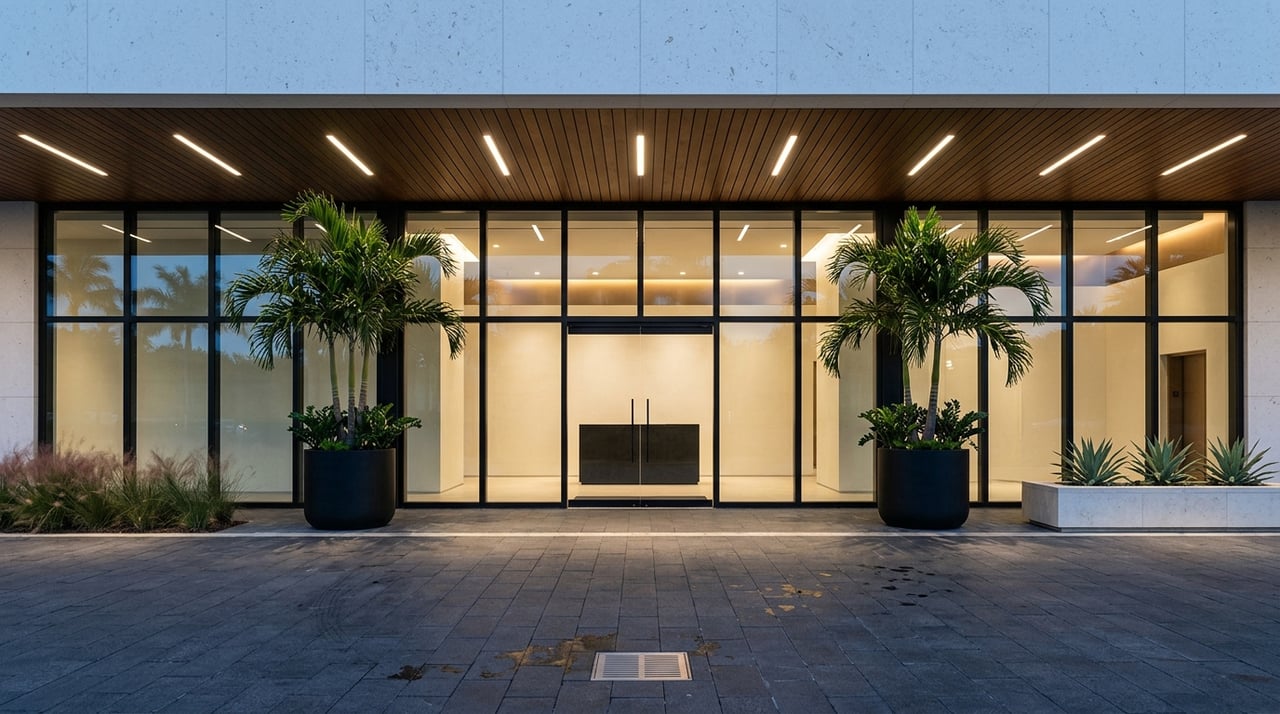
Luxury towers in St. Pete often appeal to buyers who want convenience, service, and lock-and-leave ease. While every building is different, current downtown tower marketing shows the types of amenities many buyers compare when evaluating options. That can include a staffed lobby, concierge-style services, valet or self-parking, access-controlled entry, package storage, guest suites, workspaces, pet amenities, secured storage, and large fitness and pool areas.
For many relocations, this service model is part of the attraction. If you travel often, split time between homes, or simply want less maintenance than a single-family property requires, a well-run tower can simplify your routine. That said, amenities are only part of the picture.
In Florida, the financial health and structural planning of the association matter just as much as the amenity deck. A beautiful lobby does not tell you whether the building is budgeting properly for future capital needs. That is why document review is central to any luxury condo purchase today.
Why building due diligence matters more now
Florida condominium buyers should pay close attention to Structural Integrity Reserve Studies, often called SIRS. According to the Florida Department of Business and Professional Regulation, a SIRS is a budget-planning tool that must cover major components such as the roof, structural systems, fireproofing and fire protection, plumbing, electrical, waterproofing and exterior painting, windows and exterior doors, plus other high-cost items that affect structural integrity.
For residential condominium buildings with three or more habitable stories, a SIRS must be completed at least every 10 years. In practical terms, that gives you a better framework for understanding how the association is planning for future repair and replacement costs. It also makes reserve funding a real part of your buying decision.
If a SIRS shows a funding gap, the association may need a special assessment, a loan, or a line of credit to meet the required funding schedule. That means your true monthly cost may be higher than the published condo fee suggests. When you compare towers, it helps to look beyond the dues and ask how well reserves are funded and whether any assessments are pending or likely.
The compliance timeline also matters in 2026. DBPR says associations existing on or before July 1, 2022 and controlled by unit owners had to complete a SIRS by December 31, 2025. If a milestone inspection is due by December 31, 2026, the SIRS can be completed at the same time, but not later than December 31, 2026.
For a relocating buyer, this makes current inspection and reserve status an active underwriting and due diligence issue. It is not a background detail. It is part of understanding the building you may call home.
Documents you should review before buying
One of the most important facts for out-of-area buyers is this: structural inspection reports and reserve studies are official records. DBPR says they must be provided to potential purchasers. In other words, your tower search should include a serious document review process, not just showings and virtual tours.
A careful condo review typically includes the association’s governing documents, current budget, annual financial statement, rules, and any applicable reserve and inspection materials. These records can help you understand how the building operates, what restrictions may apply, and whether major expenses are already on the horizon.
Florida law also gives condo resale buyers a 7-day voidability period after receipt of the declaration, bylaws, rules, annual financial statement, annual budget, and FAQ if requested in writing. For developer sales, that voidability period is 15 days. If you are relocating, the practical point is simple: your review clock starts when the documents are delivered, not merely when the contract is signed.
When milestone inspection or SIRS documents apply, the contract must acknowledge whether those materials have been provided. The buyer can also request up to a 15-day closing extension after receiving them. For contracts entered after December 31, 2024, the agreement must disclose whether the milestone inspection, turnover inspection report, or SIRS has or has not been completed.
How remote buying works in Florida
If you are purchasing from another state, Florida gives you tools that can make the process more efficient. Florida’s online notarization law allows properly registered notaries to perform remote online notarizations, and a compliant online notarization satisfies Florida notarization requirements. The law also states that validity is governed by Florida law regardless of where the principal or witnesses are physically located at the time.
That can make remote closings much more practical for busy executives, second-home buyers, and clients managing a move on a tight schedule. Even so, a remote closing should not mean a rushed purchase. The convenience of digital paperwork works best when paired with disciplined review of the association’s records and the contract timeline.
DBPR also requires condominium and co-op associations to create an online account, and SIRS must be electronically submitted within 45 days of completion. Buyers can verify Florida-licensed engineers and architects through DBPR’s license-verification tools, which can be useful when reviewing reports or arranging building-related inspections.
Getting around without relying on your car
One reason downtown St. Pete appeals to relocating condo buyers is that it supports a more car-light lifestyle. That does not mean you must give up driving. It means you have real alternatives for daily movement, dining, entertainment, and short trips around the urban core.
The Downtown Looper is one of the clearest examples. It is free, runs every 15 to 20 minutes seven days a week, and serves the Pier, BayWalk, the Dalí Museum, the Museum of Fine Arts and Beach Drive, the Florida Holocaust Museum, USF St. Petersburg, and other core downtown stops.
The SunRunner adds another useful layer. PSTA describes it as Tampa Bay’s first bus rapid transit line, with dedicated lanes, service every 15 minutes, free Wi-Fi, charging stations at every seat, and travel times of about 35 minutes from St. Pete Beach to downtown St. Petersburg. For buyers who want easy access to the beach without daily parking concerns, that is a meaningful convenience.
PSTA also operates express connections between St. Petersburg and downtown Tampa. Route 100 is presented as a weekday express link between the two downtowns. For some relocating professionals, that can help widen the practical commuting map.
Airport access for frequent travelers
If you travel often, airport access may be part of your tower decision. St. Pete-Clearwater International Airport is 4 miles north of St. Petersburg and currently reports more than 60 nonstop destinations. Tampa International Airport reports about 80 nonstop destinations and directs St. Petersburg drivers via I-275 North to exit 39.
That gives downtown St. Pete residents access to two different airport options depending on route needs and airline preference. For frequent flyers, that flexibility can make condo living even more attractive. It supports the lock-and-leave convenience many luxury buyers want.
A smart relocation checklist for condo buyers
When you compare St. Pete luxury towers, it helps to evaluate the lifestyle and the building with equal discipline. A polished residence is important, but the association’s condition and governance matter too.
Here is a practical checklist to guide your search:
- Review the association budget and annual financial statement
- Ask whether the building has completed its SIRS
- Confirm whether milestone inspection documents apply
- Check for current or potential special assessments
- Understand the monthly condo fee and what it covers
- Review rules for pets, guests, parking, storage, and package handling
- Evaluate lobby staffing, security, and access control
- Compare work-from-home, fitness, and guest amenity offerings
- Test the building’s access to the Pier, Central Avenue, parks, and museums
- Consider transit options, airport access, and your expected driving needs
- Discuss flood insurance questions separately, especially for waterfront or near-water locations
Why local guidance matters in St. Pete towers
Relocating into a luxury condo is different from buying a detached home. You are evaluating both a residence and a shared financial structure. In downtown St. Pete, that means balancing lifestyle priorities like views, walkability, and amenities with practical issues like reserves, inspections, and disclosure timing.
For many buyers, the challenge is not finding an attractive tower. It is narrowing the field to the buildings that fit your goals and stand up to careful review. That process benefits from a calm, detail-driven approach and local perspective on how specific properties compare.
If you are considering a move to downtown St. Petersburg, the right plan can make the process smoother from first tour to final signature. To schedule a private market consultation, connect with Greg Margliano.
FAQs
What makes downtown St. Petersburg attractive for luxury condo relocation?
- Downtown St. Pete combines waterfront amenities, parks, museums, dining, arts venues, and transit options in a compact district, which supports a more connected and often car-light lifestyle.
What should buyers review before purchasing a St. Pete luxury condo?
- You should review the association’s governing documents, budget, annual financial statement, rules, reserve information, and any applicable structural inspection or SIRS documents.
What is a SIRS in a Florida condo building?
- A Structural Integrity Reserve Study is a budget-planning tool that covers major building components such as the roof, structural systems, plumbing, electrical, waterproofing, windows, and exterior doors.
Can you buy a St. Petersburg condo remotely?
- Yes. Florida allows compliant remote online notarization, which can support remote closings for out-of-area buyers.
How long do you have to review Florida condo documents after contract?
- For condo resales, buyers generally have a 7-day voidability period after receiving the required documents, while developer sales generally provide a 15-day voidability period.
Are downtown St. Pete condo owners dependent on a car?
- Not always. Many residents can use the Downtown Looper, the SunRunner, and walkable access to waterfront parks, museums, restaurants, and daily downtown destinations.