Thinking about a luxury condo in St. Petersburg as an investment? You are not alone. The city’s waterfront views, walkable downtown, arts scene, and access to beaches draw buyers from across the country. But premium buildings also come with higher carrying costs and rules that affect returns. This guide gives you a clear framework for cash flow vs appreciation, what costs to expect, and how to evaluate building risk and liquidity. Let’s dive in.
Why St. Pete luxury condos
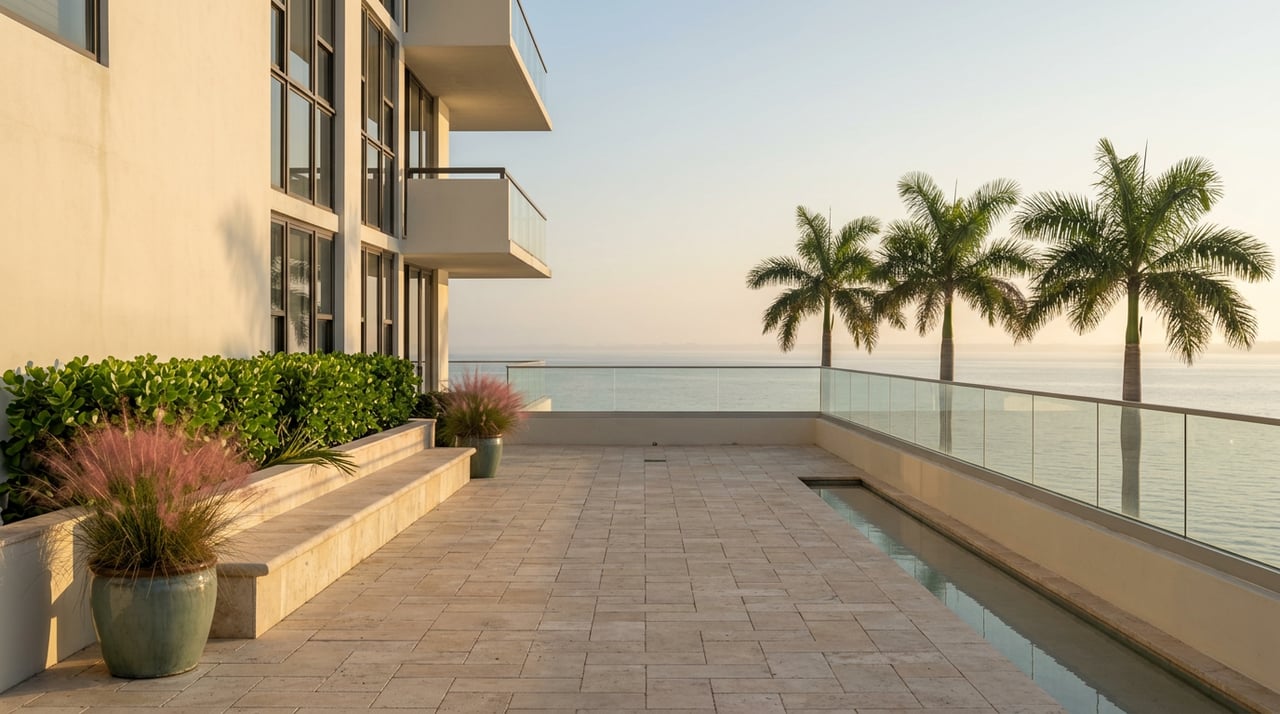
St. Petersburg sits in the Tampa Bay region and blends waterfront living with urban amenities. You benefit from a lively downtown, arts districts, and quick access to beaches and Tampa International Airport. Seasonal demand from snowbirds and ongoing in-migration support both end-user and rental demand.
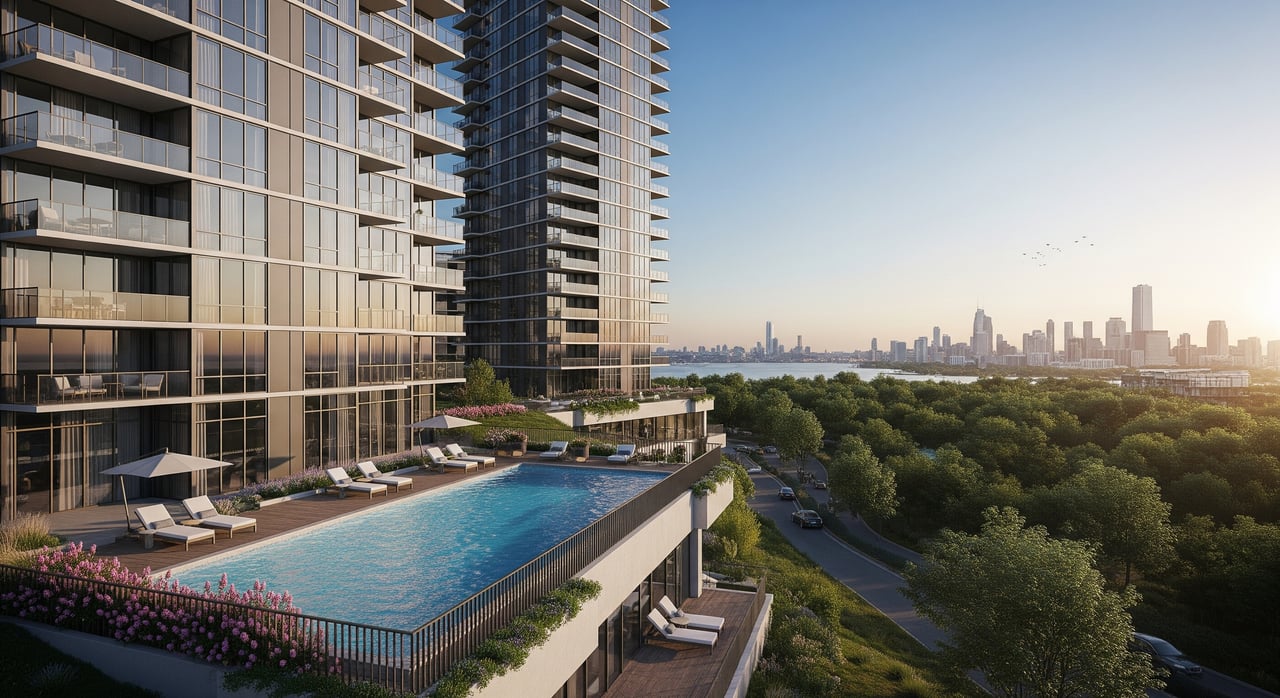
Luxury buildings in St. Pete are priced at a premium because of views, finishes, and services like concierge, valet, and fitness centers. Seasonality matters as well. Winter and spring often bring stronger short-term rental demand, while year-round demand varies by building and location.
Cash flow vs appreciation
Start by deciding your goal. If you want monthly income, focus on net operating cash flow after all expenses. If you prioritize long-term value, target appreciation and lifestyle benefits. Many luxury condos tilt toward appreciation because higher prices and HOA fees reduce yield.
Key factors that shape returns:
- Price point and cap rate. Higher-priced units usually have lower rent-to-price ratios, which keeps cap rates modest.
- HOA and amenities. Luxury services raise monthly HOA fees, which lowers net cash flow.
- Rental rules. Some buildings limit or prohibit short-term rentals, which caps potential peak-season income.
- Seasonality. Vacation-heavy patterns require careful occupancy planning and realistic average annual revenue.
- Financing. Interest rates and condo project approval standards affect leverage and break-even points.
Model conservative scenarios
If you are relying on seasonal income, use conservative rent estimates. Consider annualizing income at 80 to 90 percent of peak season. Build in vacancy, management, cleaning, and HOA increases.
A simple cash flow model includes:
- Gross rent by season and an annual occupancy assumption
- HOA dues and expected increases
- Property taxes
- Insurance for the unit and any required flood coverage
- Management, marketing, cleaning, and platform fees if applicable
- Utilities you plan to cover
- A reserve for maintenance and capital items
Compare your expected net yield to other options in Tampa Bay, like single-family rentals or lower-amenity condos, to see if the tradeoff fits your goals.
Know your carrying costs
Carrying costs reduce cash flow and must be priced in from day one. Plan for HOA dues, property taxes, insurance, management, utilities, and periodic capital contributions.
HOA fees to investigate
Luxury buildings typically have higher HOA dues to support amenities and staffing. Ask for:
- Current operating budget and reserve fund balance
- Recent and expected HOA increases
- Pending or recent special assessments and reasons for them
- Percentage of owner-occupied vs investor-owned units
- HOA dues delinquency rate
- Any ongoing or threatened litigation
- Leasing and rental policy, including short-term rules
- Minutes from recent board meetings and the latest reserve study
Insurance in coastal Florida
Confirm what the building’s master policy covers and what you must cover through an HO-6 policy. Understand wind and hurricane coverage, named-storm deductibles, and any self-insurance structures or assessment risk. Many waterfront properties also sit in FEMA flood zones that can require flood insurance if you finance the purchase. Florida’s insurance market has seen rising premiums and carrier changes, so get current quotes early.
Taxes and closing costs
Property taxes are assessed by Pinellas County and vary by district and use. A homestead exemption requires owner occupancy and does not apply to second homes or pure investments. Budget for documentary stamp tax, title insurance, and recording fees at closing. A local title company can provide current estimates.
Building health and reserve strength
Building-level risks can overshadow unit-level returns. Review the reserve study, audited financials, and any engineering or inspection reports. Insufficient reserves and deferred maintenance often lead to special assessments.
After the 2021 Surfside condominium collapse, lenders, insurers, and local governments increased scrutiny of condo buildings. Buyers and lenders now focus on structural safety, reserve adequacy, and inspection or recertification status. A building with unresolved issues can face higher insurance costs, financing hurdles, and assessment exposure.
Rental rules and short-term stays
St. Petersburg and Pinellas County have local rules and registration requirements for short-term rentals, and enforcement levels vary. Separate from city rules, a building’s bylaws may restrict or prohibit short-term stays or even limit long-term rentals. Always verify municipal requirements and the building’s governing documents before assuming rental income is allowed.
Liquidity and resale timing
Luxury condos, especially unique waterfront units, can face thinner buyer pools in slower markets. Liquidity depends on the building’s desirability, inspection history, reserve funding, rental rules, and available financing. In down cycles, units with complicated project issues or pending assessments can take longer to sell and may trade at a discount.
Plan for a longer hold period to reduce the risk of selling into a soft patch. If you may need to sell quickly, favor buildings with clean financials, transparent inspections, and straightforward leasing policies that keep the buyer pool broad.
Financing and lender review
Since 2021, many lenders tightened condo project standards. Financing can be limited in buildings with high rental concentrations, low reserves, significant litigation, high delinquency rates, or unresolved structural items. Get pre-approved with a lender that understands Florida condo project reviews and ask upfront about any building-level issues that could block loan approval.
Allow extra time in your contract for lenders to collect HOA documents and complete project review. Some approvals can take weeks, especially if the HOA needs to furnish audits, reserve studies, or inspection reports.
Due diligence roadmap
Approach your condo purchase like a mini project review. Front-load the building documentation so you can exit early if red flags appear.
Documents to collect:
- Declaration, bylaws, rules, and amendments
- HOA budget, last 2 to 3 years of financials, and the reserve study
- Minutes from the past 6 to 12 months of board meetings
- Master insurance certificate and deductible details
- Records of recent or pending special assessments
- Any engineering, inspection, or recertification reports
- Evidence of any litigation involving the association
- Unit-level tax history, maintenance history, and required disclosures
- If rented, historical occupancy, lease terms, or short-term platform performance
Professionals to engage:
- Condo-savvy real estate agent with luxury and investor experience
- Real estate attorney familiar with Florida condominium law
- CPA or tax advisor for investment tax planning and depreciation
- Lender with Florida condo project experience
- Insurance broker who can quote HO-6 and flood scenarios
- Engineer or inspector with condo expertise if issues are suspected
- Property manager with both long-term and short-term rental experience
A simple path to decision
- Define your goal. Is your priority monthly income or long-term appreciation and lifestyle use?
- Build the model. Use conservative rent, add HOA, taxes, and insurance, and run sensitivity cases for vacancy and assessments.
- Verify permissions. Confirm city and building rules for rentals, and understand any licensing or tax requirements.
- Check building health. Focus on reserves, inspections, insurance, litigation, and past assessments.
- Plan your exit. Consider resale timelines and how financing availability could affect your buyer pool.
When you want a clear-eyed assessment of specific buildings, confidential financial modeling, and access to off-market options, schedule a private consultation with Greg Margliano.
FAQs
What makes St. Petersburg luxury condos attractive to investors?
- Strong lifestyle appeal, waterfront settings, downtown walkability, seasonal demand, and regional connectivity support long-term desirability.
How do HOA fees affect returns in St. Pete luxury buildings?
- Higher HOA dues for amenities and staffing reduce net cash flow, so many investments lean toward appreciation over immediate yield.
What insurance should I expect to carry on a waterfront condo?
- Understand the building’s master policy, your HO-6 needs, wind or hurricane deductibles, and whether flood insurance is required.
Are short-term rentals allowed in St. Pete luxury condos?
- City and county rules apply, and many buildings restrict short-term stays, so verify both municipal rules and building bylaws.
How did post-2021 changes affect condo financing in Florida?
- Lenders tightened project reviews and may limit loans in buildings with low reserves, high delinquencies, litigation, or structural concerns.
Which documents should I review before buying a St. Pete condo?
- HOA financials, reserve study, board minutes, insurance certificates, inspection or recertification reports, and leasing policies.
How liquid are luxury condos in St. Petersburg during a market slowdown?
- Unique or high-priced units can have thinner buyer pools, and buildings with financial or structural issues may take longer to sell.